
Kronehoefstraat 85
5612 HL Eindhoven
BTW NL863902509B01

Back to case studies overview
Tedders – CRM setup and automation for a professional sales process
qw
vc
mshm
.svg)



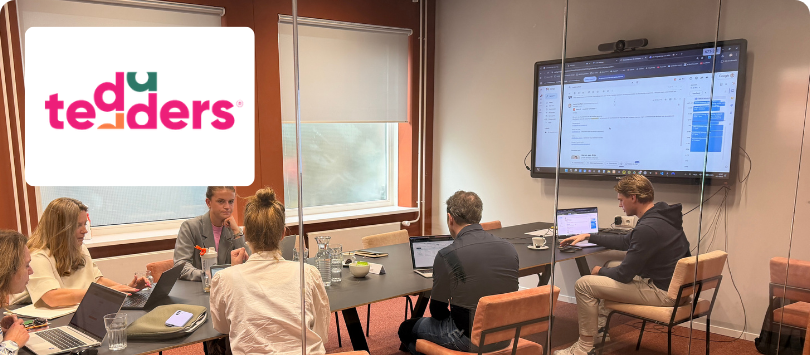
Tedders builds and supports several companies at once. That is commercially attractive and administratively awkward, because every company ran sales its own way. Its own CRM, its own fields, its own idea of when something counts as a lead and when a deal is open.
As long as you look at one company that works fine. The moment you want to look across the portfolio it stops working. The same question produces four different answers, because four environments use four definitions. And every new company started from an empty CRM again, including the months it takes to turn that into something usable.
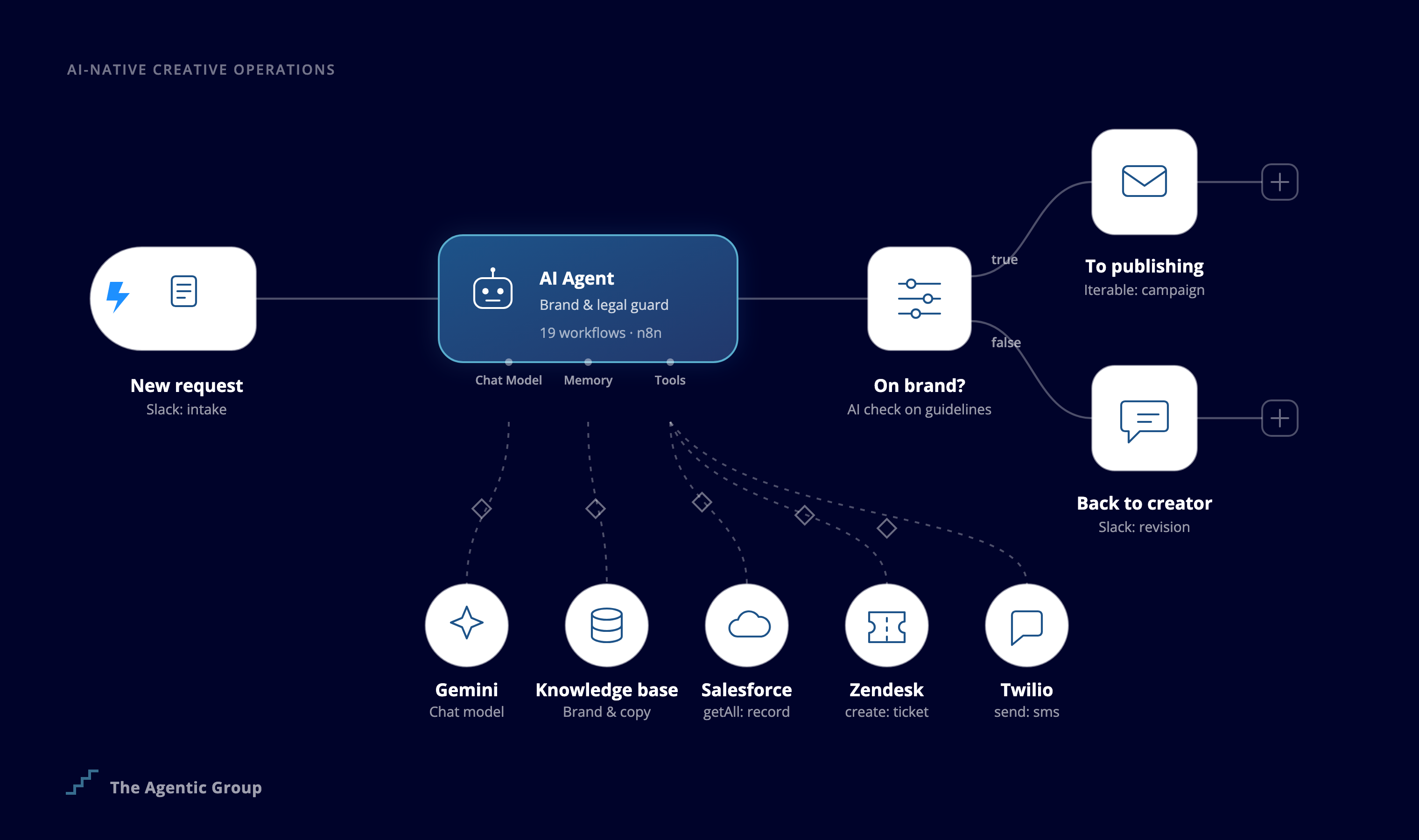
One uniform HubSpot setup that every company in the portfolio adopts. The same fields, the same deal stages, the same definitions of a lead and a qualified opportunity. Around it, the work that normally has to happen anyway: leads come in and get recorded, contacts get follow-up, deals move along a fixed route, and reporting rolls out without anyone assembling it.
The setup is deliberately boring. Not a construction that only works while the person who thought of it is still around, but a standard a new company can use on day one.
Before rolling anything out we audited the existing CRM environments for completeness: which company details are missing, how often a job title is filled in, whether deals have a close date and an owner. That sounds like tidying up, but it is the core of the problem. Reporting across a portfolio is exactly as reliable as the worst-filled field you filter on.
That audit determined what became mandatory in the standard and what we fill in automatically rather than ask a person for.
A new company in the portfolio starts with a working sales environment instead of an empty CRM. Follow-up happens at fixed moments, including in busy weeks. And because every company speaks the same language, a question about the whole portfolio can be answered in one go.
The biggest gain is the least visible one: nobody has to reinvent the wheel. The setup was designed once and is reused after that.
We set up CRM environments that can be reused, and automate the follow-up work around them.


.svg)