
Kronehoefstraat 85
5612 HL Eindhoven
BTW NL863902509B01
qw
vc
mshm
.svg)




Your systems aren't broken. They're simply not connected.
The problems we most often see with Dutch SMEs in accounting, real estate, staffing, and construction:
Most growing companies work with 5 to 12 business applications at the same time. A CRM for client relationships. An ERP like Exact Online or AFAS for finance and operations. A project management tool. An ATS for recruitment, or a real-estate management system. Each system does its job. None of them talk to the others by default.
We're not here to sell you software. We map what you already use, identify the integrations with the most value, and build workflows that run reliably after we leave.
Deliverables:
Boundaries: We build integrations and workflows. We don't replace existing software or sell licences. Everything we build runs on infrastructure you manage.
Ownership: You own all code, credentials, and documentation.
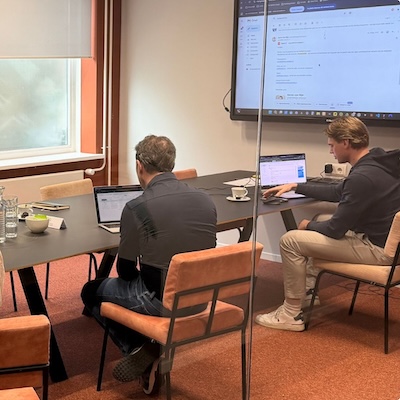
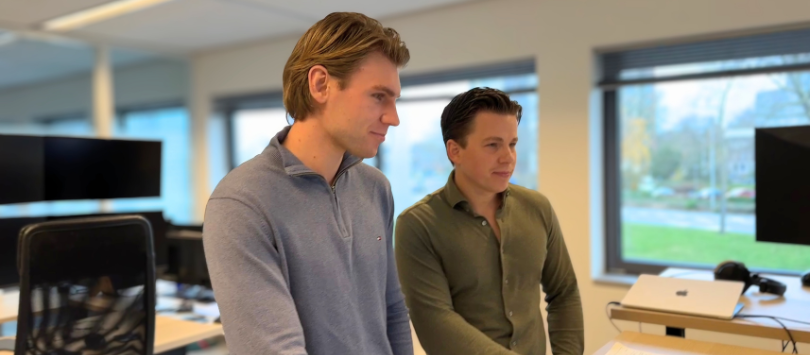
We document every system, manual workflow, and pain point. This takes a half-day session plus asynchronous follow-up.
We design the new workflow architecture: what connects to what, how data moves, and where exceptions are handled.
We build each workflow step by step and test with your real data before moving to the next integration.
Controlled rollout per workflow, so nothing breaks in production.
Full documentation, video walkthroughs, and operational runbooks so your team can manage every workflow themselves.
Monitoring and support after go-live. Problems are caught before they reach your business.


.svg)